
 |
"Exploring the Exciting Innovations Shaping the Future of Automobiles." |
Introduction
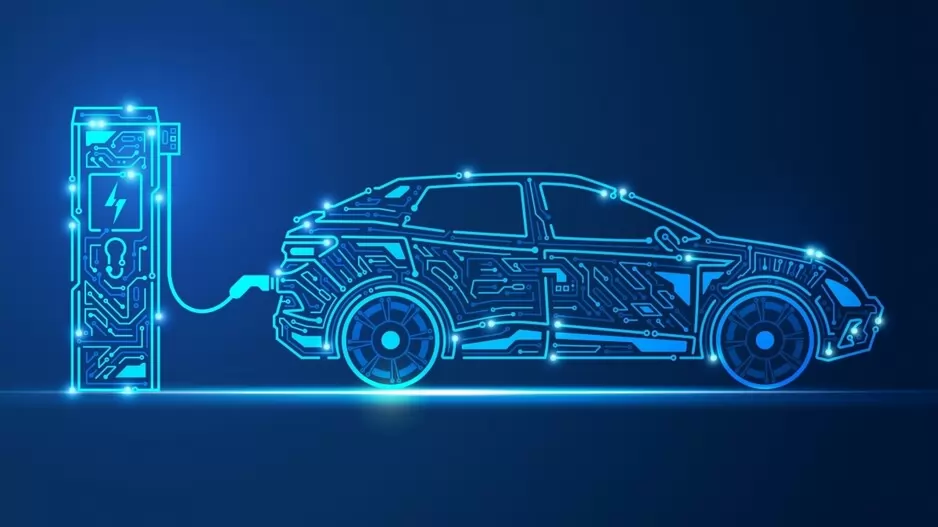
The automobile industry is experiencing a major transformation driven by technological advancements, environmental considerations, and shifting consumer preferences. The convergence of electric vehicles (EVs), autonomous driving technology, and innovative mobility solutions is set to redefine how we think about transportation. This article delves into the key trends and developments that will shape the future of automobiles.
Key Trends in the Automobile Industry
1. Electrification
Shift to Electric Vehicles
- Growth of EVs: As concerns about climate change and air quality grow, both consumers and manufacturers are increasingly moving towards electric vehicles. Major automakers are committing to phasing out internal combustion engines in favor of EVs.
- Infrastructure Development: The expansion of charging networks is crucial to support the increasing number of EVs on the road.
2. Autonomous Driving
Levels of Automation
- Level 1 to Level 5: Vehicles are being developed with varying levels of automation, from basic driver assistance (Level 1) to full self-driving capabilities (Level 5).
- Safety and Regulation: As autonomous technology progresses, regulatory frameworks must evolve to ensure safety and address liability concerns.
3. Connectivity
Smart Vehicles
- Internet of Things (IoT): Cars are becoming increasingly connected, enabling real-time data sharing and communication with other vehicles and infrastructure.
- Enhanced User Experience: Connectivity allows for features such as remote diagnostics, over-the-air updates, and advanced infotainment systems.
4. Mobility as a Service (MaaS)
Changing Transportation Models
- Shared Mobility: The rise of ride-sharing and car-sharing services is influencing traditional car ownership models. Consumers may prefer access over ownership, leading to new business models for automakers.
- Integrated Transportation Solutions: MaaS platforms aim to provide seamless access to various transportation modes, including public transit, bikes, and scooters.
Challenges and Considerations
1. Infrastructure Needs
- Charging Stations: Expanding the charging infrastructure is essential for the widespread adoption of EVs.
- Roads and Connectivity: Upgrading road infrastructure to support connected and autonomous vehicles will require significant investment.
2. Environmental Impact
- Sustainability: While EVs reduce emissions, the environmental impact of battery production and disposal must be managed.
- Renewable Energy: Transitioning to renewable energy sources for charging EVs is crucial for maximizing environmental benefits.
3. Consumer Acceptance
- Education and Awareness: Many consumers are still hesitant about adopting new technologies. Educating the public on the benefits and functionalities of EVs and autonomous vehicles is vital.
- Cost Considerations: The upfront cost of EVs remains a barrier for many consumers, though prices are expected to decrease as technology advances.
Innovations Shaping the Future
1. Advanced Battery Technology
- Solid-State Batteries: These batteries promise higher energy density and faster charging times, potentially revolutionizing EV performance.
- Recycling Solutions: Developing effective recycling methods for lithium-ion batteries is essential for sustainability.
2. Artificial Intelligence (AI)
- Smart Navigation Systems: AI will enhance navigation and traffic management, improving safety and efficiency for autonomous vehicles.
- Predictive Maintenance: AI can analyze vehicle data to predict maintenance needs, reducing downtime and increasing reliability.
3. Hydrogen Fuel Cells
- Alternative Energy Source: Hydrogen fuel cells present a potential solution for heavy-duty vehicles and long-distance travel, offering rapid refueling and longer ranges.
Conclusion
The future of automobiles is poised for significant transformation, driven by electrification, automation, connectivity, and innovative mobility solutions. While challenges remain, the potential benefits for consumers, the environment, and the economy are substantial. As the industry evolves, collaboration among automakers, technology companies, and governments will be crucial to navigating this exciting new landscape.
Call to Action
Stay informed about advancements in automobile technology and consider how these changes may impact your transportation choices in the near future.
FAQs
Q1: What are the main benefits of electric vehicles?
A: Electric vehicles reduce emissions, lower fuel costs, and offer quieter operation compared to traditional vehicles.
Q2: How far along is autonomous driving technology?
A: While some features are available today, such as adaptive cruise control, full autonomy is still in development and awaiting regulatory approval.
Q3: What is Mobility as a Service (MaaS)?
A: MaaS is a transportation model that integrates various forms of transport services into a single, accessible, and customer-friendly platform.
Q4: Are hydrogen fuel cell vehicles a viable alternative to EVs?
A: Yes, hydrogen fuel cells offer advantages for specific applications, particularly in heavy-duty and long-range vehicles, but infrastructure challenges remain.
References
- International Energy Agency (IEA)
- National Highway Traffic Safety Administration (NHTSA)
- Industry reports on electric and autonomous vehicles.
No comments: